1. Pharmacology
Azithromycin Dihydrate is a macrolide antibiotic of the azalide group. It binds to the 50S ribosomal subunit of susceptible bacteria, thereby inhibiting RNA-dependent protein synthesis. It has a long half-life and extensive tissue distribution, allowing for once-daily dosing and short-course therapy. Azithromycin is bacteriostatic but can be bactericidal at high concentrations against certain organisms.
2. Indication
Azithromycin is indicated for the treatment of infections caused by susceptible organisms, including:
-
Upper respiratory tract infections (e.g., pharyngitis, tonsillitis)
-
Lower respiratory tract infections (e.g., bronchitis, pneumonia)
-
Acute otitis media
-
Skin and soft tissue infections
-
Sexually transmitted infections (e.g., chlamydia, gonorrhea)
-
Mycobacterial infections (in combination therapy for MAC in HIV patients)
3. Dosage & Administration
Adults:
-
Community-acquired pneumonia, Pharyngitis, Skin infections: 500 mg once daily on day 1, then 250 mg once daily for 4 more days
-
Sexually transmitted infections (e.g., Chlamydia): 1 g single dose
-
MAC prophylaxis: 1.2 g once weekly
Children:
-
Acute otitis media: 10 mg/kg once daily on day 1, then 5 mg/kg for 4 more days (or 10 mg/kg/day for 3 days)
-
Pharyngitis/tonsillitis: 12 mg/kg/day for 5 days
Route: Oral or intravenous (IV for serious infections)
IV Dose (Adults):
-
500 mg once daily for 2 days, followed by oral therapy to complete 7–10 days.
4. Interaction
-
Antacids (especially aluminum and magnesium): Reduce absorption; take azithromycin 1 hour before or 2 hours after.
-
Warfarin: Enhanced anticoagulant effects; monitor INR.
-
Cyclosporine, Digoxin, Theophylline, Ergot derivatives: Increased plasma levels or risk of toxicity.
-
Nelfinavir: May increase azithromycin concentrations.
-
QT-prolonging agents (e.g., amiodarone, sotalol): Risk of additive QT prolongation.
5. Contraindications
-
Hypersensitivity to azithromycin, erythromycin, or other macrolides
-
History of cholestatic jaundice/hepatic dysfunction associated with prior azithromycin use
6. Side Effects
-
Common: Diarrhea, nausea, abdominal pain, vomiting
-
Less common: Headache, dizziness, rash, photosensitivity
-
Serious (rare): QT prolongation, hepatotoxicity, anaphylaxis, Stevens-Johnson syndrome, Clostridioides difficile-associated diarrhea
7. Pregnancy & Lactation
-
Pregnancy: Category B (no evidence of risk in humans). Use if clearly needed.
-
Lactation: Excreted in breast milk in small amounts. Use with caution; monitor for gastrointestinal disturbances in infant.
8. Precautions & Warnings
-
Use with caution in patients with:
-
Liver disease
-
Renal impairment
-
Myasthenia gravis (may worsen symptoms)
-
Cardiac arrhythmias or prolonged QT interval
-
-
May mask or delay symptoms of other infections.
-
Risk of secondary infections with long-term use.
9. Overdose Effects
Symptoms may include:
-
Nausea, vomiting, diarrhea
-
Temporary hearing loss (reported in high doses)
-
No specific antidote; supportive care and symptomatic treatment recommended
10. Therapeutic Class
-
Macrolide Antibiotic
-
Subclass: Azalides
11. Storage Conditions
-
Oral formulation (tablets, suspension): Store at 15°C to 30°C (59°F to 86°F)
-
Reconstituted suspension: Store below 25°C; discard after 10 days
-
IV formulation: Store as per manufacturer’s instructions; protect from light and use immediately after reconstitution
12. Chemical Structure
Chemical Name:
(2R,3S,4R,5R,8R,10R,11R,12S,13S,14R)-13-[(2,6-Dideoxy-3-C-methyl-3-O-methyl-α-L-ribo-hexopyranosyl)oxy]-2-ethyl-3,4,10-trihydroxy-3,5,6,8,10,12,14-heptamethyl-11-[[3,4,6-trideoxy-3-(dimethylamino)-β-D-xylo-hexopyranosyl]oxy]-1-oxa-6-azacyclopentadecan-15-one dihydrate
Molecular Formula:
C₃₈H₇₂N₂O₁₂ · 2H₂O
Molecular Weight:
785.0 g/mol (anhydrous base)
| Molecular Formula : | C38H72N2O12 |
| Chemical Structure : | 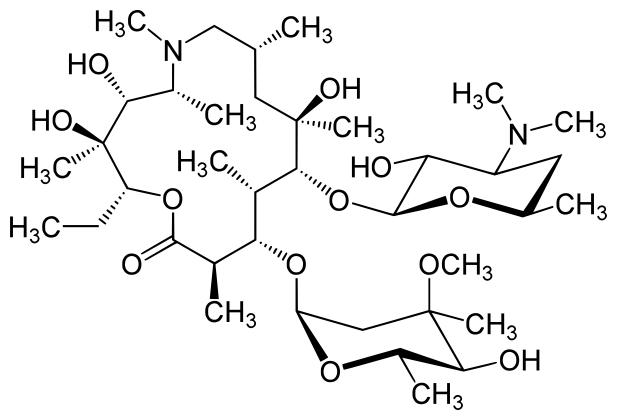 |